
Visit Grand Canyon National Park Arizona
See the Wonder for Yourself
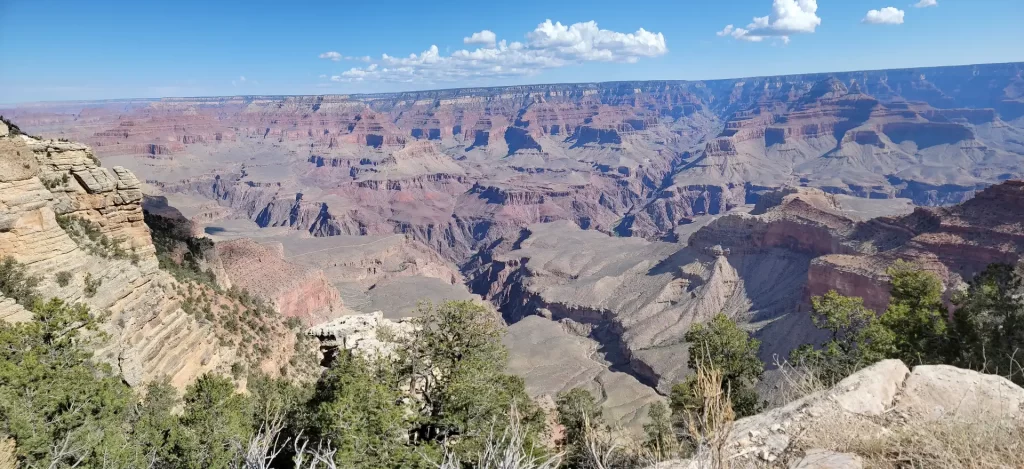
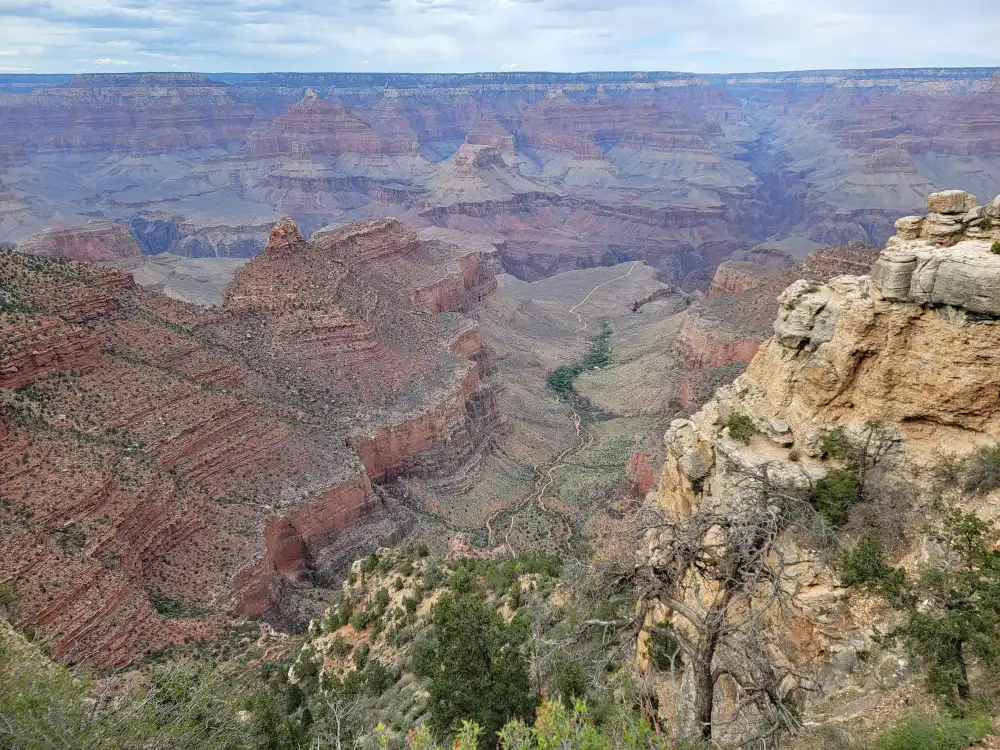
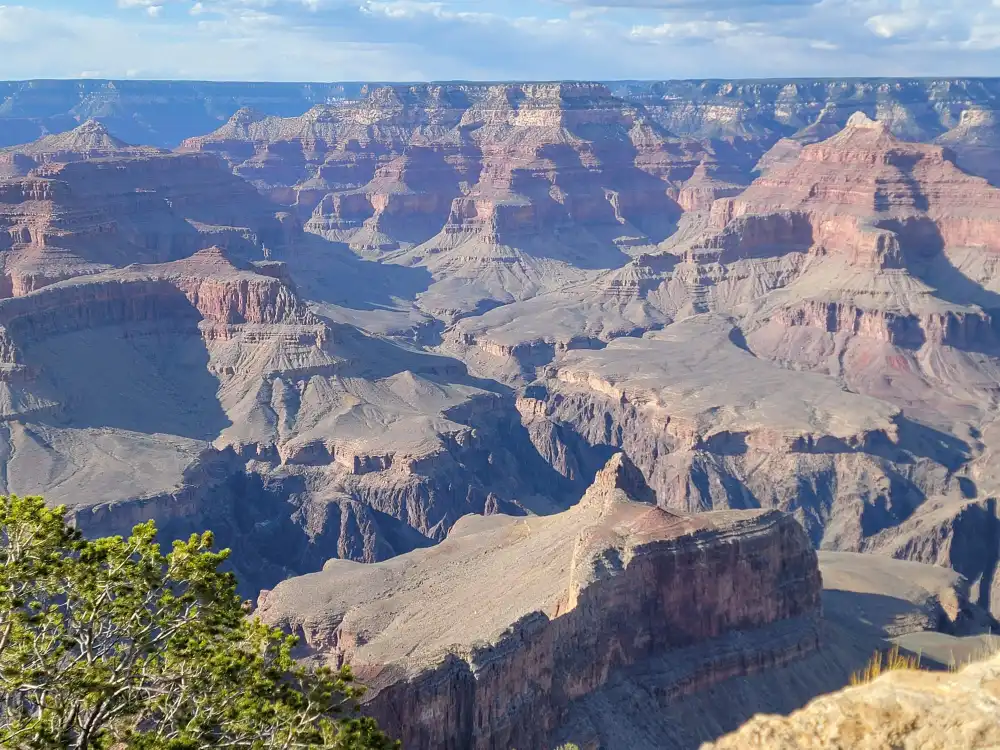
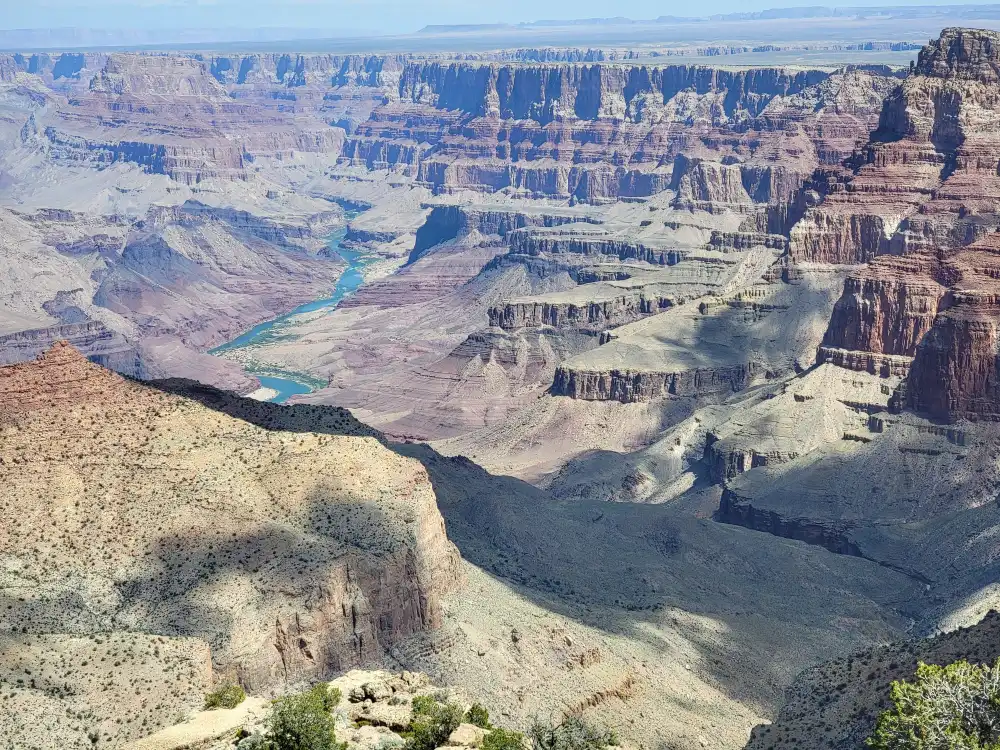
Grand Canyon National Park Arizona is more than a famous name on a map. It is a mile-deep, 277-mile-long chasm carved by the Colorado River, glowing in layers of red, gold, and violet rock.
When you step to the rim and look down, words feel too small—yet the sight is so powerful that travelers return again and again. This guide shows you why the Grand Canyon is a once-in-a-lifetime experience, and how to plan a visit that feels easy, exciting, and unforgettable.

Why the Grand Canyon Is a Bucket-List Trip
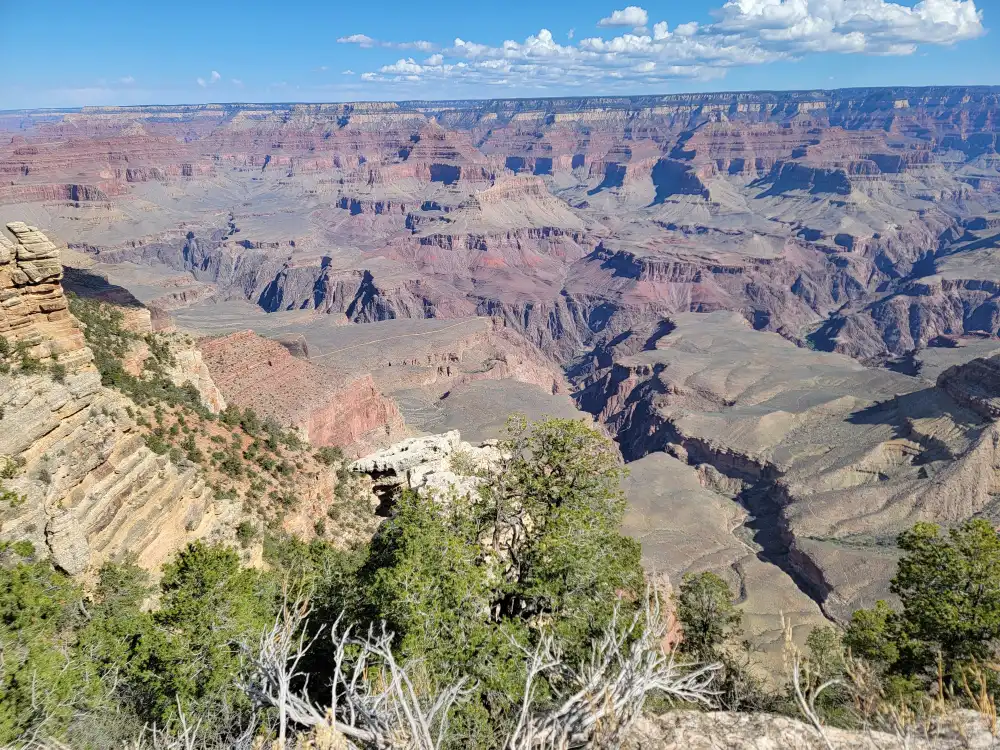
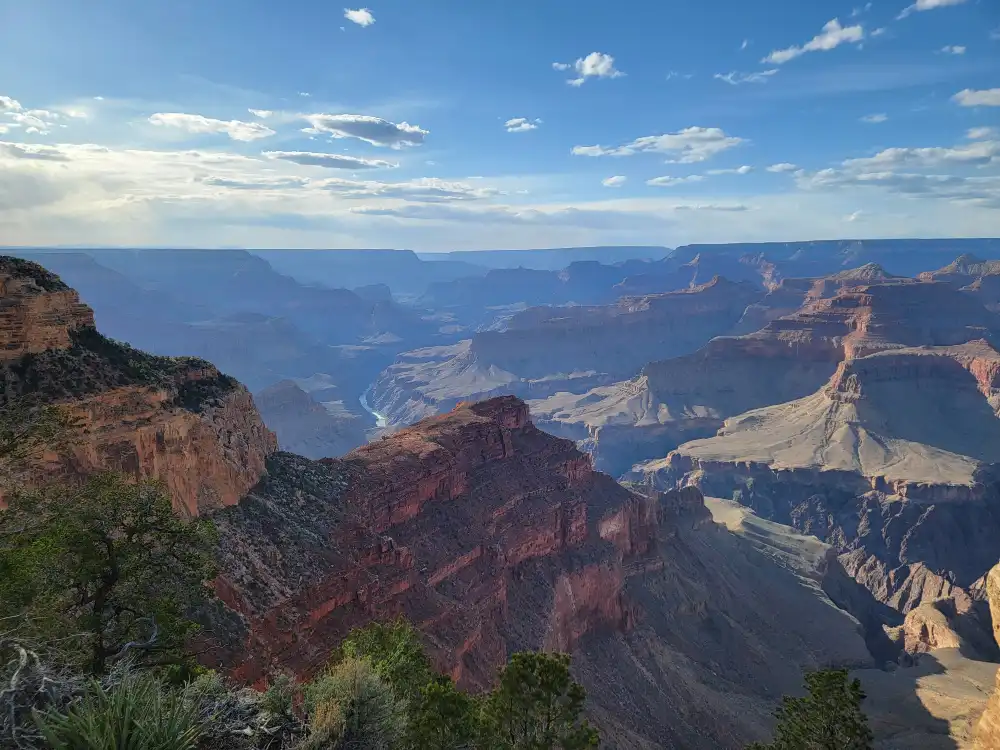
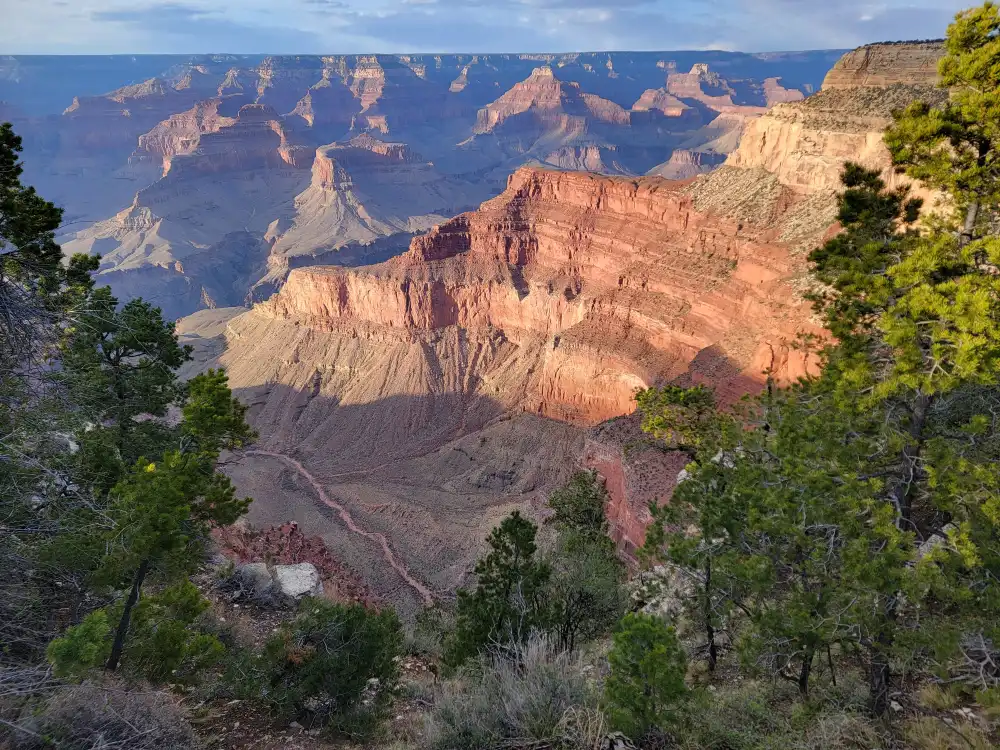
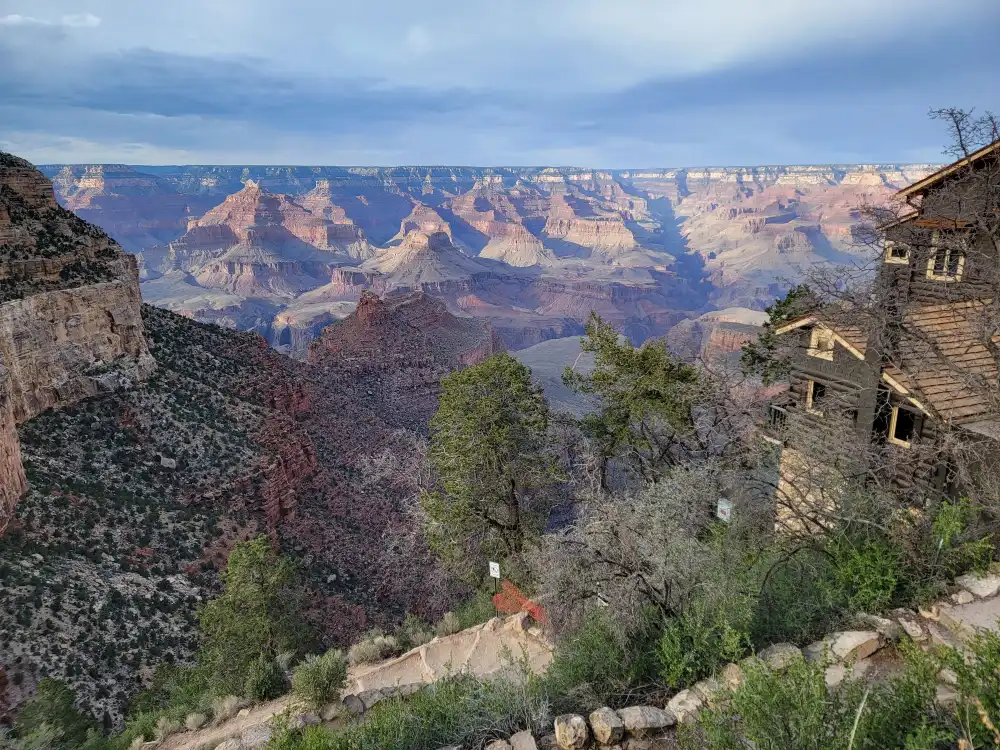
People cross oceans to gaze into the Grand Canyon National Park Arizona because no photo can match the real thing. Standing on the rim, you see geologic time stacked like a rainbow of stone. At sunrise, walls look like flaming copper; at sunset, they become soft rose and purple.
Add the cool pine forests on top, the desert cacti below, and a night sky thick with stars, and you have a place that feels both ancient and alive.Most visitors reach the edge and whisper the same three words: “See it yourself.” That sense of awe is the heart of every journey here.
Where Exactly Is ?
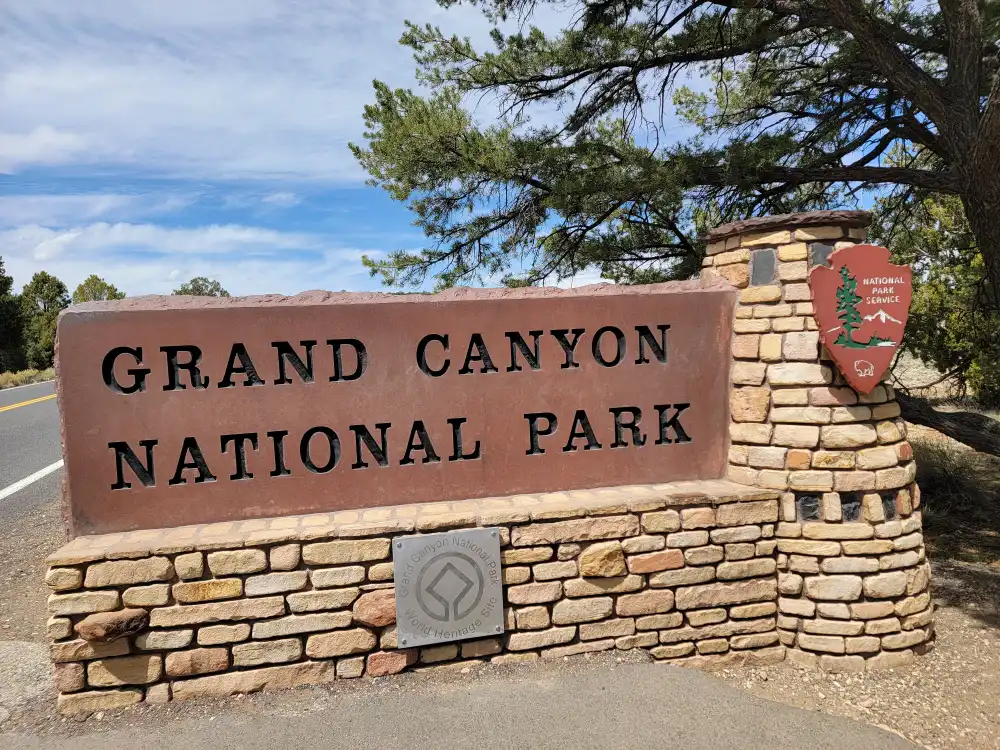
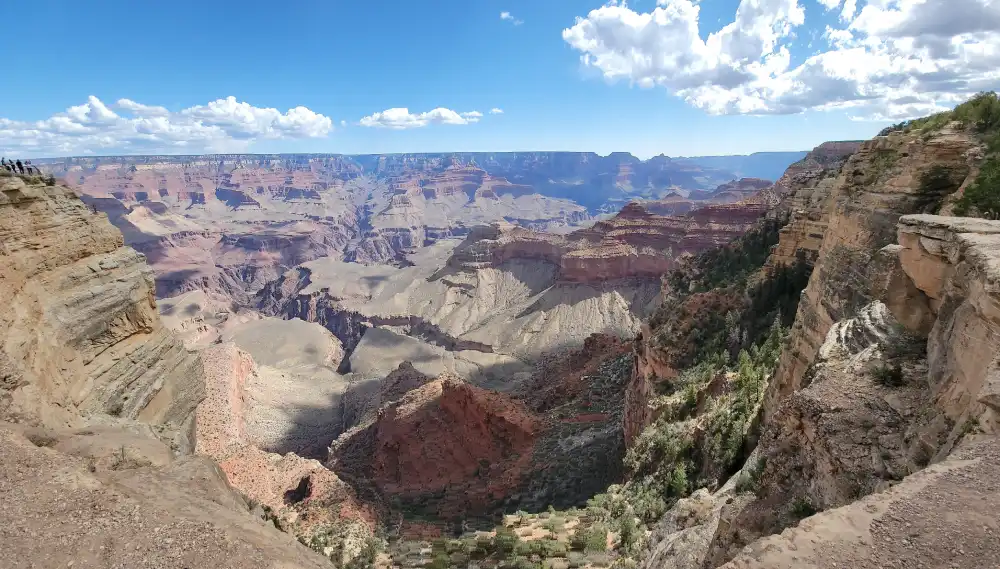
The park sits in northern Arizona, about 60 miles north of Williams and 80 miles northwest of Flagstaff. It covers both the popular South Rim—open year-round with broad views, lodges, shuttles, and museums—and the remote North Rim, open mid-May to mid-October and nearly 1,000 feet higher in elevation. Two other protected areas, Grand Canyon-Parashant and Grand Canyon-West (home of the Skywalk), lie outside park borders but add more ways to see the canyon.
For first-time visitors, the South Rim is the simplest option: paved roads, a free shuttle bus system, and many hotel or dining choices. Yet if you like quiet trails and cooler weather, the North Rim feels like a hidden world.
How to Reach the Grand Canyon
Getting to the South Rim

By Car
From Phoenix Sky Harbor International Airport, drive north on I-17 and follow AZ-64; total time about 3 ½–4 hours. From Las Vegas, take US-93, I-40, and AZ-64 in roughly 4 ½ hours.

By Train
The Grand Canyon Railway departs Williams daily, letting you skip parking hassles and arrive steps from the rim.

By Shuttle or Tour Bus
Year-round coach service runs from Flagstaff, Williams, Sedona, and Las Vegas. Day tours bundle transport, park entry, and a guide.
Getting to the North Rim
By Car
Drive US-89A through Marble Canyon and Jacob Lake, then AZ-67 for the final 43 miles. From Page or Kanab, allow 2 ½–3 hours.
By Charter Shuttle
Limited summer service links the North and South Rims, handy for rim-to-rim hikers.
Grand Canyon National Park
Best Things to Do Inside Grand Canyon National Park Arizona
Stand at Iconic Viewpoints
Start at Mather Point, Yavapai Point, or Hopi Point on the South Rim. On the North Rim, try Bright Angel Point or Cape Royal. Each platform offers a different angle on the canyon’s “temple” buttes and river far below.
Walk Easy Rim Trails
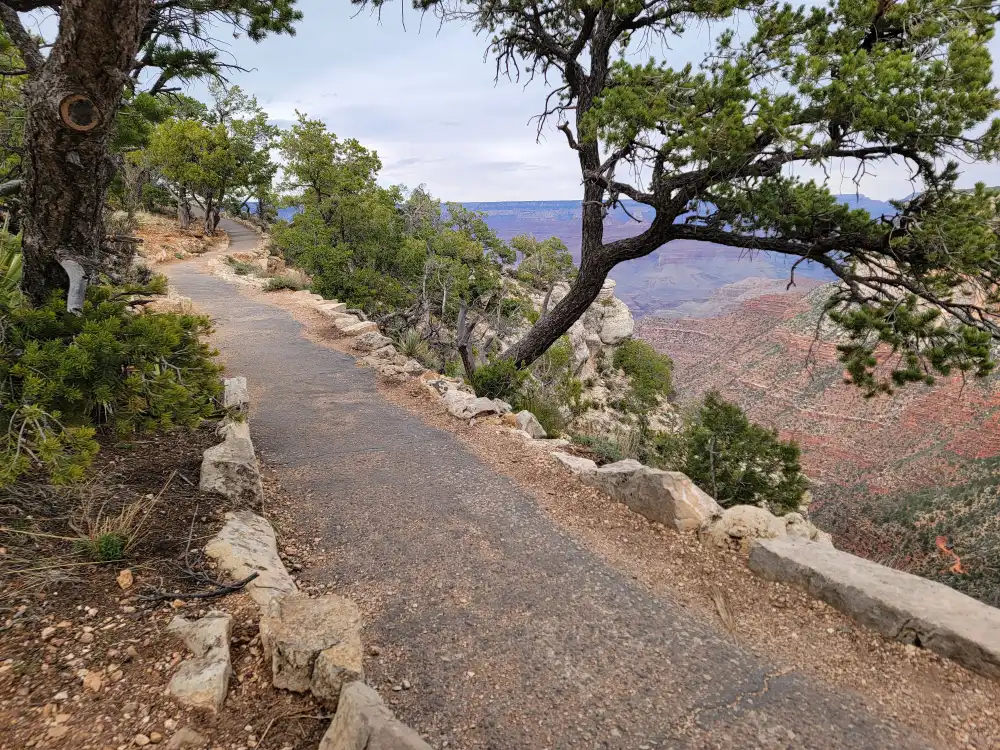
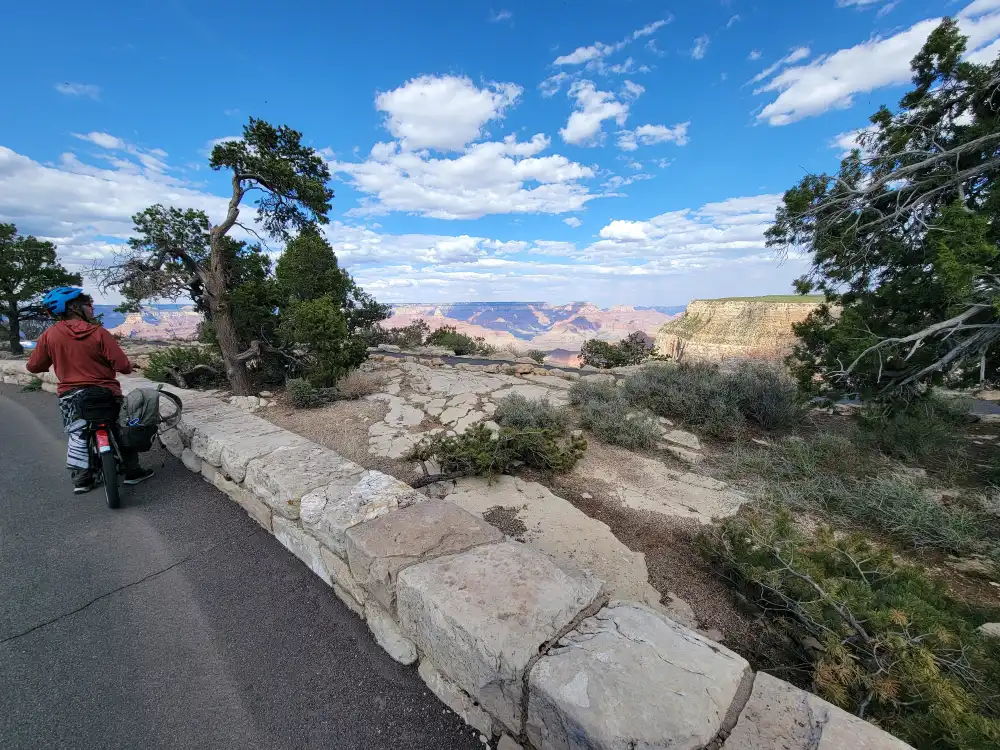
The paved Rim Trail stretches 13 miles from South Kaibab to Hermits Rest. You can stroll any section, then hop a shuttle back. Views change every few minutes, and benches invite you to linger.
Hike Below the Rim
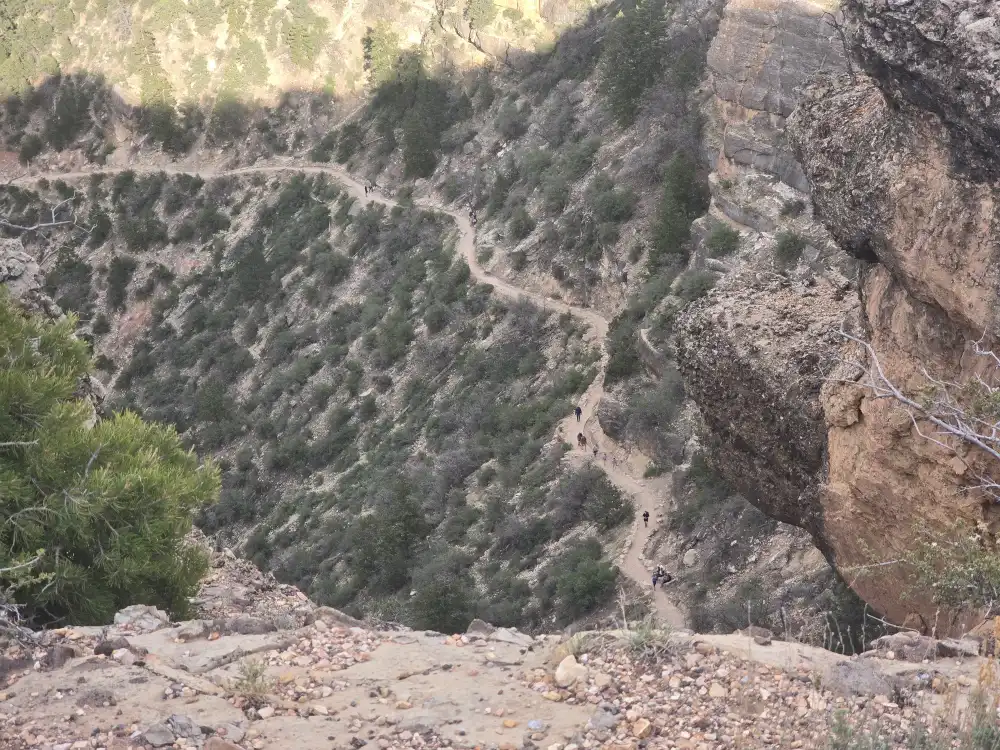
- Bright Angel Trail: Shady, well-maintained, water at rest stops.
- South Kaibab Trail: Steeper, drier, but unbeatable sunrise light.
- North Kaibab Trail: Lush springs, ancient fossils, and far fewer crowds.
- Remember: Go down only as far as you can climb back up; double your uphill time in hot months.
Ride a Mule or Take a Guided Tour
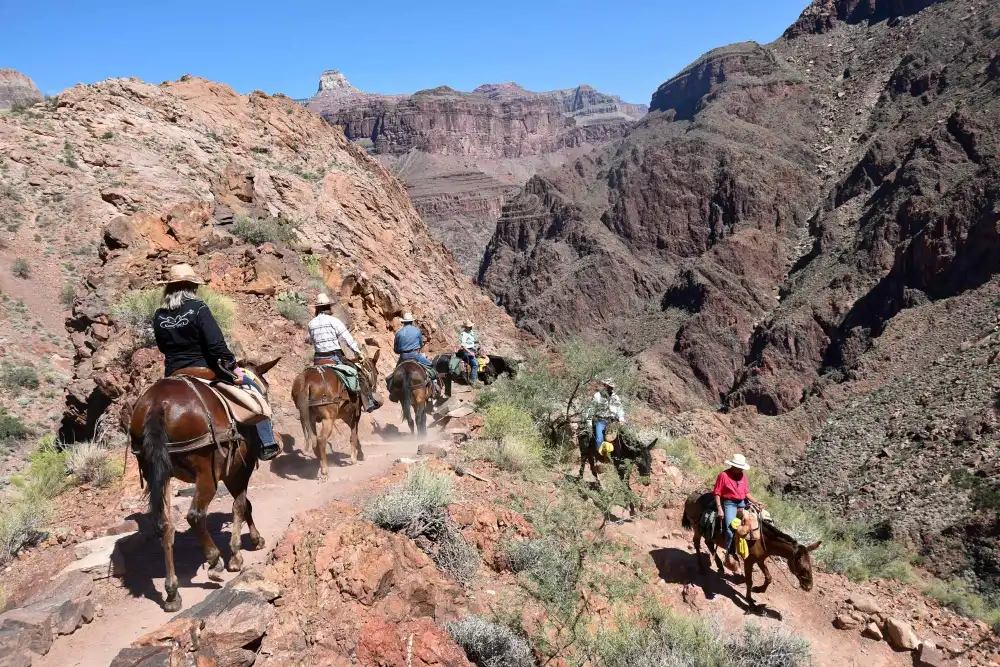
Mule trips descend to Phantom Ranch or along the rim. Helicopter flights lift off from nearby Tusayan or the West Rim. Rafting tours tackle the Colorado River’s roaring rapids, ranging from half-day smooth-water drifts to week-long white-water camps.
When Is the Best Time to Visit the Grand Canyon?

Spring (March–May)
Cool days, blooming cactus, snow on distant peaks.

Summer (June–August)
Long daylight, lively ranger programs, afternoon monsoon storms that paint double rainbows. Expect crowds and book lodging months ahead.

Fall (September–November)
Crisp air, golden aspens on the North Rim, quieter trails.

Winter (December–February)
South Rim stays open; snow dusts red cliffs for postcard scenes. Roads can close briefly after storms, but solitude is priceless.
Staying Near Grand Canyon National Park: Lodges, Hotels, Camping.
Inside the park you’ll find historic El Tovar, rustic Bright Angel Lodge, modern Yavapai Lodge, and campgrounds at Mather, Desert View, and the North Rim. Reservations open 13 months out and sell fast.
Just outside the gates, Tusayan offers chain hotels, while Williams and Flagstaff give a wider price range plus Route 66 charm. For a bed under dark skies, book a cabin or yurt in Valle or a vacation rental in Valle or Parks. Campers can snag dispersed sites in Kaibab National Forest—cold nights, but sunrise is all yours.
Essential Tips for Your First Visit

Arrive Early Or Late
Parking lots fill by 10 a.m. in summer; sunrise and sunset light are best anyway.

Drink Water (Even In Winter)
Dry high-desert air dehydrates quickly. Carry at least 3 liters per person on day hikes.

Layer Up
Rim temps can be 30 °F cooler than Phoenix, and wind chills drop further.

Use The Shuttle
The free Village, Kaibab, and Hermit routes cut traffic and stop at key overlooks.

Download Maps
Cell signal fades inside the canyon walls; offline maps save frustration.

Respect Wildlife
Keep 100 ft (30 m) from elk and bighorn sheep, and never feed squirrels, they bite.

Leave No Trace
Stay on marked paths, pack out trash, and admire rock layers without stacking or removing stones.
A Final Invitation:
Come See the Grand Canyon for Yourself
Words can spark interest, but only your own eyes can grasp the depth, color, and silence that make the Grand Canyon National Park Arizona a natural marvel. Stand on the rim and feel wind that has crossed a thousand miles of desert. Listen for the river you cannot see but know is there, still carving, still shaping the land. As daylight fades, watch shadows rise from the canyon floor until stars crown the sky.
Plan your trip, pack your curiosity, and go. The Grand Canyon is waiting, ready to remind you how big and beautiful the world can be—and why some places must be felt in person.